

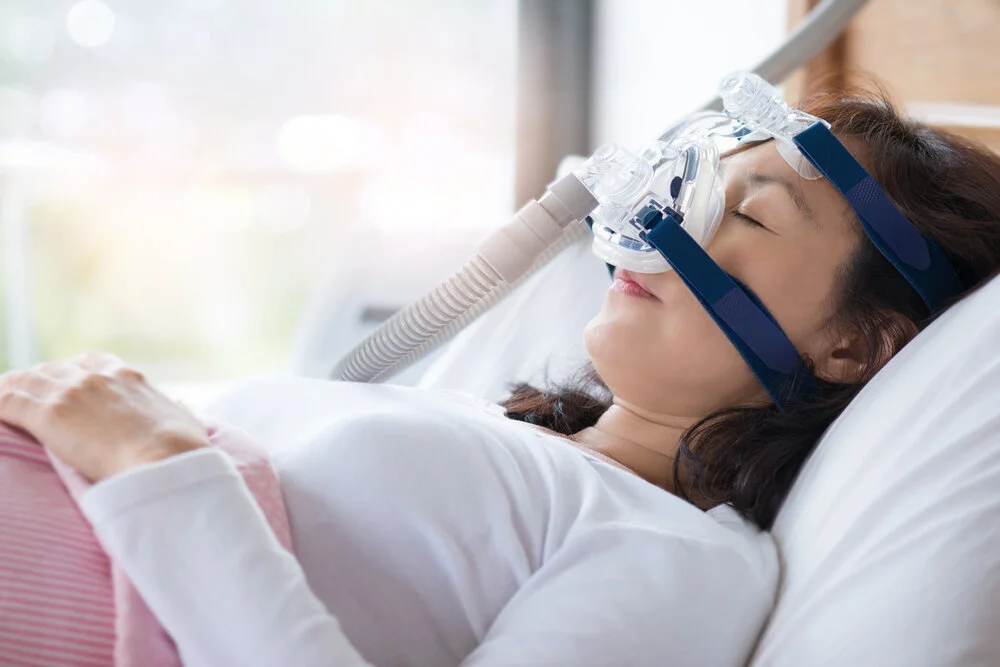
Obstructive sleep apnea is a prevalent and serious sleep disorder characterized by repeated interruptions in breathing during the night. These interruptions occur when the muscles in the back of the throat relax excessively, allowing the soft tissues to collapse and temporarily block the upper airway. For decades, Continuous Positive Airway Pressure, commonly known as CPAP therapy, has stood as the gold standard of treatment. By delivering a steady stream of pressurized air through a mask worn over the nose or mouth, a CPAP machine physically holds the airway open, effectively eliminating nighttime apneas and loud snoring.
Despite its undeniable clinical efficacy, CPAP therapy faces a significant hurdle: patient adherence. Many individuals struggle to tolerate the treatment. Common complaints include a feeling of claustrophobia from the mask, nasal dryness or congestion, facial skin irritation, a disruptive hum from the machine, and general discomfort during sleep. For those who find themselves completely unable or unwilling to use a CPAP machine consistently, leaving the condition untreated is not a safe option. Chronic, unmanaged sleep apnea can elevate the risk of cardiovascular disease, stroke, type 2 diabetes, chronic fatigue, and daytime cognitive impairment. Fortunately, modern medicine has developed an array of alternative interventions that can successfully manage the condition.
Oral Appliance Therapy
For individuals with mild to moderate obstructive sleep apnea, oral appliances represent one of the most popular and highly effective alternatives to positive airway pressure therapy. These devices are custom-made by specialized dental professionals and are worn exclusively during sleep. They are designed to fit comfortably over the teeth, resembling an athletic mouthguard or an orthodontic retainer.
The most common category of these devices is the Mandibular Advancement Device. These appliances work by gently and precisely shifting the lower jaw forward. Because the base of the tongue is physically connected to the lower jaw structure, moving the mandible forward simultaneously pulls the tongue away from the back of the throat. This mechanical shift increases the physical diameter of the upper airway and tightens the surrounding soft tissues, rendering them much less prone to vibration and collapse.
Another, less frequent option is the Tongue Retaining Device. Instead of altering the position of the jaw, this appliance uses a small suction bulb to hold the tongue forward in a fixed position, preventing it from falling backward and blocking the windpipe.
The primary benefits of oral appliance therapy include:
-
Enhanced comfort and a lower profile compared to a full-face CPAP mask.
-
Perfect portability, making them ideal for individuals who travel frequently.
-
Silent operation, which benefits both the patient and their sleep partner.
-
High rates of patient compliance due to the natural feel of the device.
Surgical Interventions
When non-invasive methods fail or when specific, clear anatomical obstructions are present, surgical options may be explored to achieve long-term resolution. Surgical approaches aim to permanently widen the upper airway by removing, repositioning, or stiffening tissues that contribute to the obstruction.
Uvulopalatopharyngoplasty
This conventional surgical procedure focuses on remodeling the throat tissue. The surgeon removes excess tissue from the soft palate and the uvula, and may also remove the tonsils or adenoids if they are enlarged. By trimming and restructuring these areas, the physical pathway for airflow is widened, reducing the likelihood of collapse and snoring.
Maxillomandibular Advancement
For severe cases that do not respond to other treatments, Maxillomandibular Advancement is a highly effective structural surgery. This complex procedure involves surgically repositioning both the upper jaw and the lower jaw forward. By advancing the entire skeletal framework of the lower face, the tissues attached to the jawbones are permanently pulled forward, dramatically enlarging the entire airway space behind the tongue and soft palate.
Nasal Reconstruction Surgery
In some instances, sleep apnea is exacerbated by compromised nasal breathing, which forces a person to breathe through their mouth during sleep and encourages throat collapse. Procedures such as a septoplasty, which straightens a deviated nasal septum, or turbinate reduction, which shrinks swollen tissues inside the nasal passages, can optimize nasal airflow. While nasal surgeries alone may not completely cure severe sleep apnea, they significantly reduce airway resistance and can make other therapies much more tolerable.
Neurostimulation Therapy
A modern innovation in sleep medicine is hypoglossal nerve stimulation, often recognized under the brand name Inspire. This therapy is specifically designed for individuals with moderate to severe obstructive sleep apnea who cannot tolerate CPAP and do not have a complete concentric collapse of the soft palate.
This approach utilizes a small, programmable system that is surgically implanted entirely under the skin of the chest during an outpatient procedure. The system consists of three primary components:
-
A small pulse generator placed in the upper chest area.
-
A sensing lead that monitors natural breathing patterns by detecting chest wall movement.
-
A stimulation lead attached directly to the hypoglossal nerve, which controls the movement of the tongue.
During sleep, the device continuously monitors the patient breathing. Every time the patient begins to inhale, the device delivers a mild, customized electrical pulse to the hypoglossal nerve. This stimulation commands the tongue and the airway muscles to contract gently and move forward, keeping the airway clear without waking the sleeper. The patient controls the system using a small handheld remote, turning it on before going to bed and turning it off upon waking in the morning.
Positional Therapy
For a distinct subset of individuals, sleep apnea is entirely positional, meaning that breathing interruptions occur primarily or exclusively when they are sleeping flat on their backs. When a person lies in the supine position, gravity pulls the tongue and the soft tissues of the palate downward toward the back of the throat, maximizing the potential for airway obstruction. When sleeping on their side, the physical airway naturally remains more stable.
Positional therapy involves using specialized devices to discourage supine sleep and train the body to maintain a lateral sleeping position. Traditional, low-tech approaches include wearing a specialized vest or a t-shirt with a tennis ball sewn into the back, making it highly uncomfortable to roll onto the back.
Modern positional therapy utilizes electronic sensory devices worn around the neck or chest. These small, smart devices contain sensors that detect body position. When the user rolls onto their back, the device emits a gentle vibration that increases in intensity until the individual shifts back onto their side. This tactile feedback allows the person to adjust their position naturally without interrupting their deeper sleep cycles.
Lifestyle Modifications and Myofunctional Therapy
In less severe cases, or when used in combination with other alternative medical treatments, strategic behavioral changes can significantly minimize the severity of sleep apnea symptoms.
Weight Management
Excess body weight is one of the most common risk factors for obstructive sleep apnea. When a person carries extra weight, fatty tissue deposits can accumulate around the neck and upper airway. This additional tissue exerts constant outward pressure on the airway walls, making them narrower and far more likely to collapse when the muscles relax during sleep. Systematic weight loss through dietary adjustments and regular exercise can reduce these tissue deposits, lowering airway resistance and, in some cases, completely resolving mild sleep apnea.
Alcohol and Medication Avoidance
Consuming alcohol or taking sedatives, muscle relaxants, or certain sleep medications close to bedtime can severely worsen sleep apnea. These substances act as central nervous system depressants, causing the muscles of the throat and tongue to relax far more deeply than they normally would during natural sleep. Avoiding these substances for several hours before bed helps maintain better resting muscle tone in the upper airway.
Myofunctional Therapy
Myofunctional therapy is a specialized program of non-invasive exercises designed to strengthen the muscles of the tongue, mouth, and upper throat. Just as physical therapy can rehabilitate muscles elsewhere in the body, these targeted oral exercises improve the resting tone and endurance of the upper airway muscles. Regular practice helps prevent the tongue from sliding backward into the throat and keeps the pharyngeal walls firmer during sleep, providing a completely natural reduction in airway collapsibility.
Frequently Asked Questions
Can positional therapy be effective if my sleep apnea occurs in all sleeping positions?
No, positional therapy is exclusively beneficial for individuals diagnosed with positional obstructive sleep apnea, where the vast majority of breathing disruptions happen while lying flat on the back. If a formal sleep study reveals that your airway collapses regardless of whether you are sleeping on your back, side, or stomach, positional devices will not address the root cause of your condition, and alternative treatments must be utilized.
What are the main long-term side effects of using an oral appliance?
While custom oral appliances are generally well-tolerated, long-term use can sometimes lead to minor bite changes, a slight shifting of the teeth, or mild jaw discomfort, particularly in the temporomandibular joint. Regular follow-up appointments with a qualified dental specialist are necessary to monitor the alignment of your jaw, adjust the appliance as needed, and mitigate these potential structural adjustments.
How do doctors determine if someone is a good candidate for hypoglossal nerve stimulation?
Candidacy for neurostimulation therapy requires a thorough evaluation process. Generally, patients must have a body mass index below a specific threshold, be diagnosed with moderate to severe obstructive sleep apnea, and have demonstrated an inability to use CPAP. Additionally, an ear, nose, and throat specialist must perform a brief diagnostic procedure called a drug-induced sleep endoscopy to visually confirm that the throat collapse is not completely concentric, ensuring the nerve stimulation will effectively clear the airway.
Is jaw advancement surgery considered a permanent cure for obstructive sleep apnea?
Maxillomandibular Advancement surgery has an exceptionally high success rate and can provide a permanent structural cure for many patients, particularly those with underlying jaw deficiencies. By physically enlarging the skeletal framework of the upper airway, it addresses the anatomical root cause of the obstruction. However, because it is a major surgical procedure requiring a significant recovery period, it is typically reserved for severe cases where other non-invasive options have failed.
How long does it take to see results from myofunctional throat exercises?
Myofunctional therapy requires consistent daily practice and a high degree of patience. Most individuals begin to notice measurable improvements in muscle tone, a reduction in daytime sleepiness, or decreased snoring intensity after two to three months of regular, focused throat and tongue exercises. For the best outcomes, these exercises should be guided by a certified myofunctional therapist and paired with other supportive lifestyle modifications.
Can a regular mouthguard purchased at a sporting goods store treat sleep apnea?
No, standard athletic mouthguards or over-the-counter nightguards designed for teeth grinding cannot treat sleep apnea. These products are designed to protect the teeth surfaces from impact or friction, but they do not possess the structural mechanisms required to actively hold the lower jaw forward or stabilize the tongue. Using an unapproved, non-custom device can cause unwanted tooth movement and may inadvertently worsen airway obstruction.