

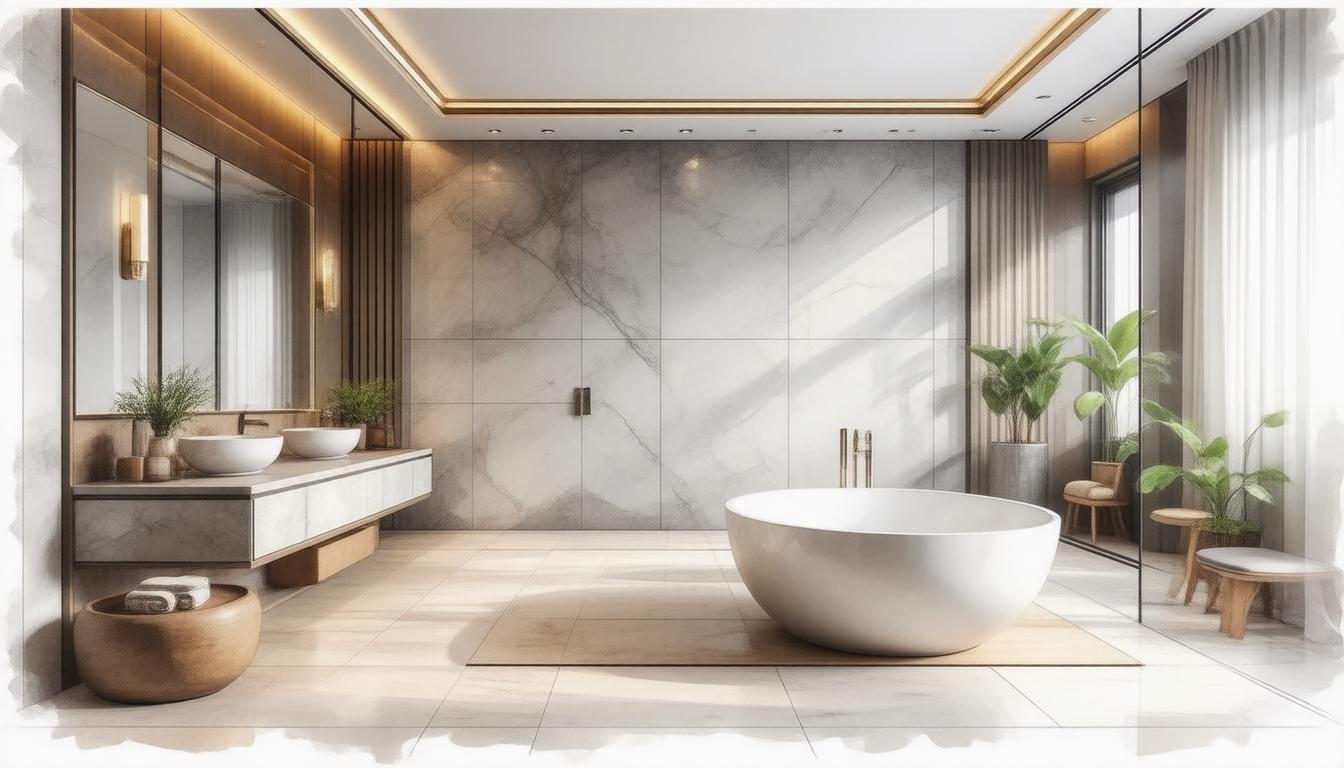
The bathroom is often treated as a purely utilitarian space, focused entirely on function rather than form. However, with the right design interventions, this essential room can transcend its practical baseline and become a sanctuary of style and relaxation. One of the most powerful and efficient ways to completely transform a bathroom without undergoing a costly, full-scale renovation is by upgrading the vanity mirror.
A mirror is naturally the focal point of any bathroom. It is the place where eye contact is made first thing in the morning and last thing at night. By trading a standard, builder-grade frameless glass rectangle for a thoughtfully designed statement piece, homeowners can instantly establish a definitive design voice, enhance ambient lighting, and create the illusion of expanded spatial proportions.
1. Backlit LED Floating Mirrors
For a sleek, contemporary aesthetic that mimics the atmosphere of a luxury boutique hotel or high-end spa, backlit LED floating mirrors offer a flawless blend of ambient mood lighting and striking visual depth. These mirrors are designed with a hidden structural frame that mounts securely to the wall, setting the glass forward by an inch or two to create a subtle floating effect.
High-density LED light strips are integrated along the reverse perimeter of the frame. When illuminated, they cast a soft, diffused glow backward against the wall tile or drywall. This technique serves several design purposes:
-
It eliminates the harsh, localized shadows on the face that are commonly produced by traditional overhead downlights.
-
It accentuates the unique texture of the wall behind the vanity, such as dimensional stone, zellige tile, or textured wallpaper.
-
It provides a gentle, low-voltage illumination option that functions perfectly as a nightlight.
Selecting a version with a touch-sensor dimmer and adjustable color temperature allows users to transition effortlessly from crisp, cool task lighting for morning grooming to warm, golden tones for a relaxing evening soak.
2. Floor-to-Ceiling Oversized Glass
In smaller bathrooms or powder rooms where structural square footage is limited, installing an oversized, floor-to-ceiling mirror can completely manipulate the perception of physical space. Instead of stopping the glass at standard chest height, extending the reflective surface all the way from the baseboard or the top of the vanity counter straight to the ceiling creates a sweeping vertical architectural statement.
This expansive field of glass captures and bounces every available beam of light, instantly doubling the visual volume of the room. When paired with a continuous vanity countertop, a floor-to-ceiling mirror seamlessly integrates the plumbing fixtures and cabinetry into the glass surface itself, resulting in a cohesive, custom-built appearance that looks intentionally architectural rather than merely decorative.
3. Asymmetrical and Organic Shapes
The traditional bathroom configuration relies heavily on rigid, clean lines and sharp right angles, from the straight edges of subway tile to the rectangular blocks of cabinetry and standard countertops. Introducing an asymmetrical or organically shaped mirror breaks this geometric monotony, injecting an artistic fluidity into the design.
Organic mirrors often feature soft, undulating perimeters inspired by natural elements like smooth river stones, water droplets, or sweeping topography lines. Because these shapes lack traditional corners, they guide the eye smoothly across the vanity area, creating a relaxed, informal elegance. These statement pieces function beautifully in minimalist, Scandinavian, or biophilic design schemes, acting as a standalone work of art that softens the clinical feel of hard stone and porcelain surfaces.
4. Vintage-Inspired Ornate Gilt Framing
For those who lean toward traditional, eclectic, or historic charm, a vintage-inspired mirror with an ornate, antique gold or brass frame introduces instant soul and narrative into a modern bathroom. A heavily carved frame featuring botanical motifs, scrollwork, or neoclassical details provides a stunning contrast against crisp white walls and sleek, modern plumbing fixtures.
This juxtaposition of old-world craftsmanship and contemporary utility creates a collected, curated environment that feels highly customized. When sourcing an ornate vintage statement piece, it is vital to ensure the frame material can withstand the specific environmental challenges of a bathroom, or to treat the wood and finish with a clear moisture-resistant sealer to protect it against swelling and humidity damage.
5. Industrial Grid and Divided-Lite Mirrors
Drawing inspiration from classic steel-framed factory windows, industrial grid mirrors use dark, geometric frameworks to bring structure and bold graphic definition to the vanity wall. These mirrors feature a collection of individual mirrored panes divided by thin, matte black metal or dark wood muntins.
The crisp grid pattern provides an excellent anchoring effect, especially in bathrooms with tall ceilings or expansive blank walls. This style coordinates exceptionally well with industrial or modern farmhouse aesthetics, pairing naturally with matte black plumbing hardware, concrete vessel sinks, and exposed hardware elements. The strong black lines frame the reflection beautifully, adding a distinct architectural edge to the room.
6. Circular and Elliptical Silhouettes
When a complete design overhaul is not possible, simply swapping a basic square mirror for a perfect circle or a elongated horizontal ellipse can dramatically soften the environment. Circular mirrors offer a clean, timeless geometry that provides a welcome relief from the square grid lines of wall tile and cabinetry boxes.
A large, oversized round mirror centered perfectly above a single vanity creates an undeniable focal point that draws the eye directly inward. For a double-sink vanity layout, hanging a pair of matching circular or arched mirrors above each basin maintains balanced symmetry while establishing a lighter, more airy upper wall area compared to a singular, heavy rectangular mirror pane.
7. Integrated Smoked and Antiqued Glass Tones
For the ultimate statement in dark, moody luxury, designers are increasingly turning to mirrors that incorporate specialized tinted, smoked, or antiqued glass treatments. Instead of clear silver mirror glass, these pieces utilize bronze, gray, or hand-oxidized finishes to add immediate mood and drama.
A mirror framed with an outer border of smoked gray glass or featuring subtle foxing along the edges brings an intimate, twilight atmosphere to the room. While heavily antiqued glass may reduce the precision required for detailed tasks like applying makeup, it serves beautifully in formal powder rooms or as a secondary decorative element in a master bathroom suite where the focus is entirely on ambiance, romance, and visual texture.
Frequently Asked Questions
How do I choose the correct width for a statement bathroom mirror?
The general rule of thumb for standard design balance is that the mirror should be roughly two to four inches narrower than the total width of the vanity cabinet or countertop below it. This margin prevents the mirror from looking top-heavy or overwhelming the cabinetry base. However, if you are opting for an intentional statement piece like an oversized circular mirror or a floor-to-ceiling installation, you can intentionally bend this rule to create a dramatic architectural scale.
Can I hang an integrated LED mirror in a bathroom with high humidity?
Yes, high-quality backlit LED mirrors are specifically manufactured for bathroom environments. When shopping, ensure the mirror carries an IP44 or higher ingress protection rating. This technical designation certifies that the internal electrical components, wiring, and light strips are sealed securely against moisture, splashes, and heavy water vapor, preventing premature failure or electrical hazards.
What is the ideal mounting height for a round statement mirror?
A circular or round mirror should be hung so that the center of the glass rests approximately 60 to 62 inches above the finished floor. This placement ensures that the average adult line of sight sits comfortably within the middle third of the reflective surface. Additionally, you should aim to maintain at least four to six inches of open wall clearance between the bottom edge of the mirror frame and the top of your vanity faucet.
How do you prevent a vintage wood mirror frame from rotting in the bathroom?
To safely utilize an authentic vintage or antique wood frame in a full bathroom with a shower, you must protect the porous material from moisture absorption. Remove the glass and apply multiple coats of a clear, matte polyurethane or marine-grade varnish to all exposed sides of the wood, especially the back side that rests against the wall. For high-humidity bathrooms lacking optimal exhaust ventilation, choosing a modern replica frame made of moisture-impervious polyurethane or treated metal is a safer alternative.
Should a statement mirror over a double vanity be one large piece or two separate mirrors?
Both options can create a beautiful statement, depending on your overall design goals. A single, massive rectangular mirror spanning the entire width of a double vanity creates a continuous, expansive feel that maximizes reflected light and spatial volume. Conversely, hanging two separate, distinct statement mirrors directly over each sink basin creates distinct vertical zones, offers an opportunity to display unique shapes, and allows for the placement of decorative wall sconces between the mirrors.
How do you clean an antiqued or tinted mirror frame without destroying the finish?
Mirrors that feature custom chemical tints, smoked finishes, or hand-applied antiquing treatments require gentle maintenance. Avoid using harsh commercial glass cleaners containing ammonia or alcohol, as these chemicals can seep behind the edges and degrade the reflective backing over time. Instead, clean the surface using a soft microfiber cloth slightly dampened with warm, distilled water, and dry the edges thoroughly to prevent moisture from resting on the frame joints.