

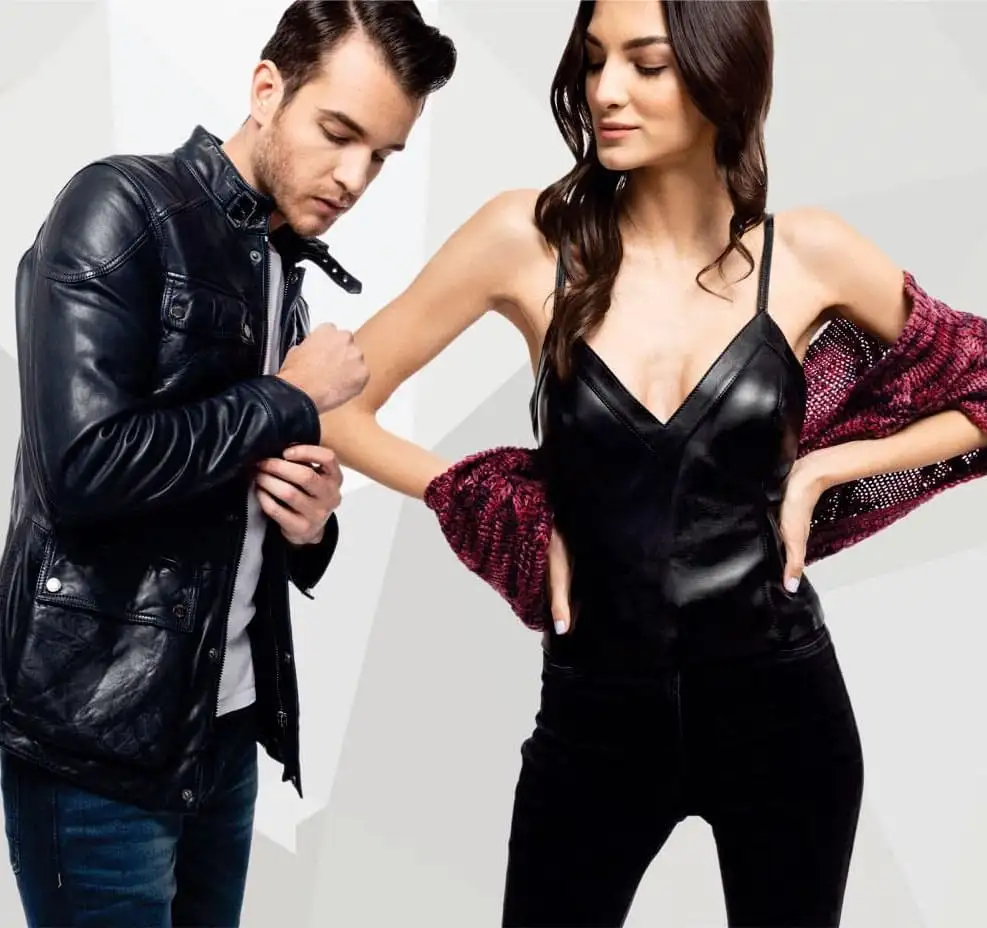
Faux leather clothing has established itself as a versatile staple in modern wardrobes. Offering the sleek look of traditional leather with greater design flexibility, synthetic alternatives such as polyurethane or polyvinyl chloride require unique maintenance routines. Because these fabrics are composed of a fabric backing coated with a synthetic plastic layer, treating them like natural hides will inevitably lead to irreversible damage.
Missteps in washing faux leather can result in cracked surfaces, peeling layers, or a completely warped silhouette. Unlike natural skin, which breathes and absorbs specific oils, synthetic coatings are non-porous and vulnerable to harsh chemical solvents and excessive heat. Maintaining the luster and longevity of your favorite faux leather jackets, pants, and skirts comes down to understanding the science of synthetic textiles and using targeted, gentle maintenance techniques.
The following guide details exactly how to clean, spot-treat, wash, and dry your faux leather garments to ensure they look pristine for years to come.
Understanding Your Garment Fabric Before Cleaning
Before applying any cleaning solution to your clothing, you must inspect the care label attached to the interior seam. This label acts as a manufacturer blueprint, identifying whether your garment contains polyurethane, abbreviated as PU, or polyvinyl chloride, abbreviated as PVC.
Polyurethane is softer, more pliable, and slightly more breathable, making it a common choice for jackets and fitted pants. Polyvinyl chloride is stiffer, highly water-resistant, and frequently used for high-gloss or structured pieces. While both materials are tough against moisture, they react poorly to strong friction and specific chemical agents.
Beyond checking the label for fabric composition, always look for specific washing indicators. If the care label explicitly states dry clean only, it is best to honor that recommendation, as the garment may feature interior structural tailoring, shoulder pads, or delicate linings that cannot withstand water submersion. If the item is marked as washable, you can confidently proceed with localized spot cleaning or gentle immersion methods.
The Essential Rules of Managing Faux Leather
Safeguarding synthetic textiles requires following a few fundamental rules that prevent structural degradation. By embedding these habits into your clothing care routine, you can sidestep the common pitfalls of peeling and cracking.
-
Never Use Heat: High temperatures are the primary enemy of synthetic coatings. Excess heat from hot water, clothes dryers, steam irons, or direct sunlight will melt or warp the plastic compound, causing it to separate from its fabric backing.
-
Avoid Abrasive Tools: Scrubbing brushes, rough sponges, and stiff cloths will scratch the delicate top layer of your clothing. Once the smooth outer surface is scratched, the underlying fabric matrix becomes exposed to moisture and debris.
-
Skip Harsh Chemicals: Industrial solvents, bleach, ammonia, and acetone will instantly dissolve the plastic polymers in synthetic leather. Stick exclusively to mild liquid laundry soaps, gentle dish soaps, or specialized cleaners.
-
Minimize Wringing and Twisting: Twisting a wet faux leather item creates severe structural stress creases. These creases weaken the bond between the top layer and the fabric backing, leading directly to localized peeling.
Step-by-Step Spot Cleaning Technique
For minor scuffs, light dirt buildup, or food spills, localized spot cleaning is the safest and most efficient path. Frequent total submersion can weaken the synthetic materials over time, so managing individual spots first will prolong the overall life of the garment.
Gather Your Materials
Prepare a clean workstation with two soft microfiber cloths, a bowl of lukewarm water, and a few drops of mild liquid dish soap or gentle baby shampoo. Microfiber is ideal because its fine fibers lift dirt away from the surface without requiring heavy downward pressure.
Mix the Solution and Apply
Stir the soap into the lukewarm water until a light, sudsy foam forms. Dip the first microfiber cloth into the soapy water and wring it out completely until it is barely damp. You want to avoid over-saturating the seams of the garment, as water can seep underneath the plastic coating through the needle punctures.
Gently Wipe the Surface
Gently wipe the stained or soiled area using circular motions. Do not scrub hard at stubborn marks; instead, hold the damp cloth over the spot for a minute to loosen the dried material before wiping again. For stubborn oil-based stains, a single drop of soap applied directly to the cloth can provide additional lifting power.
Rinse and Dry
Dip your second microfiber cloth into plain, cool water and wring it out. Wipe down the treated area to remove any residual soap film, which can leave a dull residue if left to dry on the plastic coating. Finally, use a dry towel to blot the area completely dry.
How to Hand Wash Faux Leather Garments
When a garment develops an overall odor or requires deeper cleaning after multiple wears, hand washing is the preferred method for full submersion. This process gives you total control over water temperature and fabric agitation.
Prepare the Basin
Fill a clean sink, basin, or bathtub with cool or lukewarm water. Avoid hot water entirely. Pour in one tablespoon of mild liquid laundry detergent that is free of dyes, optical brighteners, and heavy fragrances. Agitate the water with your hand to distribute the soap evenly.
Submerge and Cleanse
Turn your faux leather item completely inside out. This step is critical because body oils, sweat, and dead skin cells accumulate on the soft interior fabric lining, while the exterior plastic layer mostly encounters dust. Submerge the garment in the soapy water and gently squeeze the soapy solution through the fabric for two to three minutes. Avoid rubbing the exterior synthetic surfaces against each other.
Thoroughly Rinse the Garment
Drain the soapy water from the basin and refill it with clean, cool water. Submerge the garment to rinse away the detergent. Repeat this rinsing process multiple times until the water remains completely clear and no soap bubbles appear when you gently compress the fabric.
Remove Excess Water safely
Lift the garment from the water and support its weight so it does not stretch. Press the clothing against the side of the basin to expel the bulk of the water. To remove additional moisture without twisting, lay the garment flat on a large, clean towel. Roll the towel up loosely with the garment inside, pressing down gently to allow the towel to absorb the dampness.
Machine Washing Safety Guidelines
While hand washing is the safest manual option, many contemporary faux leather items can survive a machine washing cycle if the correct protective adjustments are implemented.
Turn Inside Out and Use a Mesh Bag
Always zip all closures, button all snaps, and turn the garment inside out to shield the exterior coating from rubbing against the washing machine drum. For an added layer of safety, place the item inside a large, zippered mesh laundry bag to prevent zippers or buttons from catching on other surfaces.
Configure the Machine Settings
Set your washing machine to the delicate, hand-wash, or wool cycle. These settings utilize minimal agitation and shorter run times, reducing mechanical strain on the textile layers. Ensure the water temperature is locked to cold, and adjust the spin speed to the lowest possible setting or select no spin to avoid severe creasing.
Add the Correct Detergent
Use a small amount of liquid detergent designed for delicate fabrics. Never use powder detergents, as undissolved granules can act as an abrasive abrasive agent against the faux leather finish during the wash cycle. Skip fabric softeners entirely, as they leave a chemical film that can degrade synthetic polymers.
Proper Drying and Storing Methods
The cleaning process is only half the battle; how you dry and store your faux leather clothing ultimately determines whether it maintains its original shape or suffers premature structural failure.
Always Air Dry
Never place faux leather items into a mechanical clothes dryer, even on a low-heat or air-fluff setting. The tumbling action combined with friction can crack the outer shell. Instead, keep the garment turned inside out and hang it on a sturdy, padded hanger to air dry in a well-ventilated indoor space.
If you are drying heavy faux leather pants or skirts, lay them flat on a clean drying rack to prevent the weight of the water from stretching out the waistband. Keep the items completely away from radiators, heating vents, and direct sunlight, as UV rays can dry out the polyurethane finish and cause it to turn brittle.
Proper Storing Habits
Once the garment is completely dry, turn it right-side out. Hang coats and jackets on wide, contoured hangers that match the slope of the shoulders to maintain their structural integrity. Avoid using metal clip hangers directly on faux leather skirts or pants, as the spring-loaded teeth can permanently dent or puncture the plastic coating. If you must use clip hangers, place a small piece of soft felt or cardboard between the clip and the garment waistband.
Never store synthetic leather clothing folded tightly in cramped drawers or vacuum-sealed plastic bags. Prolonged compression can cause the synthetic layers to stick together, which can result in the material peeling away when you unfold the garment. Allow plenty of breathing space in your closet to avoid friction against neighboring clothing textures.
Frequently Asked Questions
Can I use real leather conditioners on faux leather clothing?
No, you should never use traditional leather conditioners on synthetic leather. Real leather conditioners are designed to penetrate porous animal skins to keep them supple. Because faux leather is made of a non-porous plastic coating, these oils cannot soak into the material. Instead, the conditioner will sit on top of the surface, creating a greasy, sticky film that attracts dirt, dust, and lint, which can eventually dull the finish.
How do I remove bad odors from the interior lining without washing the whole piece?
If the exterior looks clean but the inside lining has picked up sweat or smoke odors, you can target the interior independently. Turn the garment inside out and mist the fabric lining lightly with a mixture of equal parts distilled white vinegar and water. The vinegar will neutralize odors naturally as it evaporates. Alternatively, you can sprinkle baking soda over the interior lining, let it sit for a few hours, and then carefully vacuum it out using a soft brush attachment.
What should I do if my faux leather jacket starts to crack or peel?
Once synthetic leather begins to peel or crack significantly, the damage cannot be truly reversed because the plastic polymer chain has broken down. However, minor cracks can sometimes be stabilized using a flexible fabric glue or a vinyl repair kit designed for clothing. Applying a tiny amount of matching flexible fabric repair paint can seal the edges of a minor peel and prevent it from spreading further across the garment.
Can steam wrinkle removers be used on faux leather items?
Using a traditional hot iron directly on synthetic leather will melt the plastic instantly. If your clothing is wrinkly, the safest option is to hang it in the bathroom while you take a hot shower so the mild ambient steam can loosen the creases naturally. If you must use a handheld garment steamer, turn the item inside out, keep the steamer nozzle several inches away from the fabric, and never hold the steam stream in one single spot for more than a couple of seconds.
How often should faux leather clothing be fully cleaned?
Faux leather does not need to be fully washed after every use. In fact, over-washing will accelerate the aging of the synthetic bonds. You should wipe down the exterior surface with a damp cloth after each wear to remove environmental dust and body oils. A full hand wash or machine wash should only be performed every few months, or when the item becomes noticeably soiled or develops a persistent odor that localized treatment cannot fix.
Why did my faux leather clothing become stiff after it dried?
Stiffness usually occurs when a soap residue is left behind on the surface, or if the item was exposed to an accidental source of heat during the drying phase. If the stiffness is due to soap buildup, wiping down the exterior with a clean, damp microfiber cloth dipped in plain water will restore its flexibility. If the stiffness is caused by heat damage, it means the plastic polymer has partially melted and hardened, which unfortunately cannot be fixed.
Is it safe to use alcohol wipes to sanitize faux leather jackets?
You should avoid using standard rubbing alcohol or alcohol-based sanitizing wipes on synthetic leather clothing. High concentrations of isopropyl alcohol can strip away the protective topcoat of polyurethane or polyvinyl chloride, leading to immediate discoloration, sticky residue, or localized dulling of the fabric gloss. Stick to mild soap mixtures or water-diluted white vinegar for safe surface purification.