

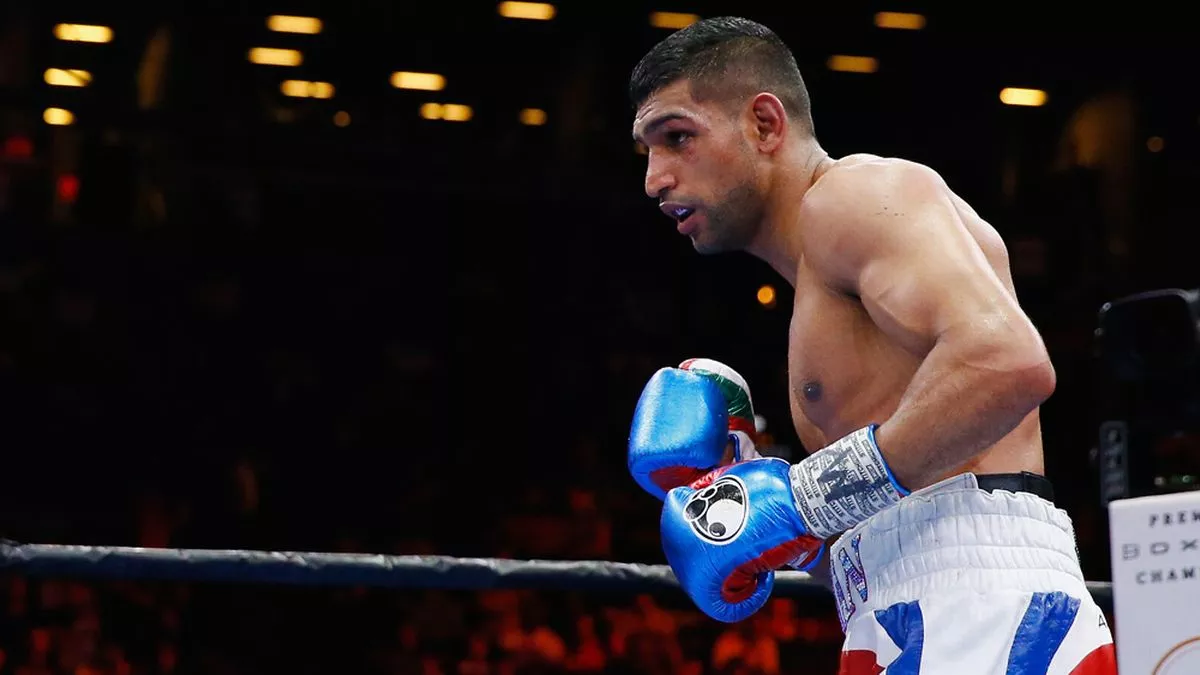
The transition from amateur to professional boxing represents one of the most significant decisions in a fighter’s career. This choice determines not just competitive status but affects training approaches, financial circumstances, and life trajectories. In Pakistan’s challenging boxing environment, the timing and circumstances of professional debuts carry particular weight, with premature or poorly planned transitions potentially derailing promising careers before they truly begin.
The Amateur Foundation
Most Pakistani boxers begin their journeys in amateur competition, where the Pakistan Boxing Federation provides organizational structure and limited governmental support. Amateur boxing offers several advantages for developing fighters—regular competition through provincial and national championships, potential national team selection, and eligibility for international tournaments including Commonwealth Games and Asian Championships.
The amateur system’s rules differ substantially from professional boxing. Three-round bouts with protective headgear, electronic or manual scoring emphasizing clean punching over power, and referee involvement stopping action more readily all create different competitive environments than professional boxing’s longer, more brutal contests. Fighters succeeding in amateur systems develop specific skills and approaches that may or may not translate effectively to professional demands.
Pakistan’s amateur boxing infrastructure, while modest by international standards, still exceeds what exists for professional boxing. Amateur fighters might train at federally supported facilities, receive coaching from nationally appointed trainers, and access competition schedules with some regularity. Professional boxers, conversely, navigate largely on their own, finding gyms, coaches, and competitive opportunities through personal initiative rather than organizational support.
Financial Pressures Driving Early Transitions
Economic necessity frequently drives Pakistani fighters’ decisions to turn professional earlier than optimal for athletic development. Amateur boxing provides minimal financial support—perhaps small stipends for national team members or modest per diems during competitions—but nothing approaching sustainable income. Professional boxing, despite its own financial challenges, at least offers purses that provide immediate compensation.
Young fighters from economically disadvantaged backgrounds face pressure to contribute financially to family welfare. The promise of professional purses, even modest ones, can seem attractive compared to amateur boxing’s purely symbolic rewards. Families struggling economically may encourage or even pressure talented young boxers to turn professional, prioritizing immediate income over long-term athletic development.
However, the financial calculations often prove misleading. Early professional fights rarely offer substantial purses, and fighters without adequate amateur seasoning may accumulate losses that limit future earning potential. The short-term income gained from premature professional debuts might actually reduce lifetime boxing earnings compared to extended amateur development followed by more successful professional careers.
Technical Readiness and Skill Development
Determining technical readiness for professional boxing involves assessing multiple dimensions of fighter capability. Has the boxer developed sufficient defensive sophistication to minimize damage over longer professional bouts? Do they possess the power and offensive variety to trouble professional-level opponents? Can they maintain technical execution under the fatigue that eight, ten, or twelve-round fights produce?
Pakistani fighters often turn professional with incomplete technical development due to limited amateur competition and training opportunities. A fighter might have competed in only a dozen amateur bouts before going professional, far fewer than the extensive amateur careers typical in countries with developed boxing systems. This limited experience means fighters learn professional boxing’s demands during actual professional fights rather than mastering fundamentals in amateur competition first.
Coaches should ideally guide professional debut timing, assessing fighters’ technical readiness objectively. However, Pakistani coaches often lack the experience to make such judgments confidently, having limited exposure to international professional boxing standards. Without clear benchmarks for readiness, decisions about turning professional become more arbitrary, based on fighter eagerness or economic pressure rather than systematic capability assessment.
Age Considerations and Physical Maturation
Age intersects with professional debut timing in complex ways. Fighters who turn professional very young—late teens or early twenties—have longer potential career spans but may lack physical and psychological maturity. Those who remain amateur into their late twenties might possess more sophisticated skills but have fewer years of professional competition ahead before athletic decline begins.
Physical maturation matters particularly for weight class considerations. A nineteen-year-old competing at lightweight might naturally mature to welterweight or middleweight by age twenty-five, requiring weight class adjustments that affect competitive success. Ideally, fighters turn professional after physical maturation stabilizes, allowing them to settle into natural weight divisions for their professional careers.
Pakistani fighters like those competing across the country’s regional circuits must balance physical readiness against economic realities and opportunity availability. Waiting for perfect timing might mean missing competitive opportunities entirely, as Pakistan’s irregular professional boxing schedule doesn’t guarantee future fights regardless of readiness.
The Psychological Shift from Amateur to Professional
Amateur and professional boxing demand different psychological approaches. Amateur bouts’ brevity and scoring systems reward aggressive volume punching and calculated risk-taking within limited time frames. Professional boxing’s longer duration requires pacing, sustained concentration, and mental resilience to continue performing effectively into later rounds despite accumulating fatigue and potentially damage.
The stakes feel different as well. Amateur losses, while disappointing, don’t permanently mark records in the same consequential way professional defeats do. Professional boxers must develop psychological mechanisms to handle losses constructively without allowing them to erode confidence or motivation. This mental skill often requires experiencing professional defeats to develop, creating paradoxes where fighters need losses to learn resilience but too many early losses damage careers irreparably.
Professional boxing’s business dimensions add psychological complexity. Fighters become independent contractors managing careers, negotiating purses, and making strategic decisions about which opportunities to accept. Many Pakistani fighters turn professional without understanding these business realities, leading to poor decisions that undermine careers. Psychological preparation for professional boxing should include business education alongside athletic training, though this rarely occurs.
Support Systems and Professional Guidance
Ideally, fighters transitioning to professional boxing would have management teams providing career guidance, promotional relationships offering regular competitive opportunities, and experienced trainers who understand professional boxing’s specific demands. Few Pakistani fighters possess such support systems when turning professional, instead navigating the transition largely alone or with advice from coaches who themselves lack professional boxing experience.
The absence of professional guidance means Pakistani fighters often make amateur-to-professional transitions reactively rather than strategically. A fighter might turn professional simply because someone offers them a professional bout, without considering whether they’re truly ready or whether the specific opportunity represents a good career move. This opportunistic approach to career management rarely produces optimal long-term results.
Family support during professional transitions proves crucial but varies dramatically among fighters. Understanding families who support athletic dreams while managing expectations provide psychological stability during challenging periods. Families pressuring fighters for immediate financial returns or expressing skepticism about boxing careers create additional stress during already difficult transitions.
Record Building and Early Professional Matchmaking
International professional boxing typically features careful early-career matchmaking designed to build prospects’ records through favorable matches against overmatched opponents. This record-building phase allows fighters to gain professional experience, develop confidence, and create winning records that attract future opportunities while learning professional boxing’s demands in relatively forgiving circumstances.
Pakistani professional boxing’s limited promotional infrastructure rarely provides such systematic development. Fighters might face genuinely competitive opposition in their earliest professional bouts, potentially accumulating losses before developing the skills to compete effectively. The absence of “safe” early fights means Pakistani fighters must prove themselves immediately rather than building gradually toward competitive challenges.
This sink-or-swim environment disadvantages Pakistani fighters compared to international peers who receive more careful career management. However, it also means Pakistani fighters who do succeed have been tested rigorously from career beginnings, potentially developing toughness and adaptability that more protected prospects lack.
Weight Class Selection for Professional Careers
Turning professional requires deciding which weight division to target, a choice affecting everything from training approaches to competitive opportunities to long-term career viability. Amateur and professional weight classes don’t align perfectly, meaning fighters must sometimes choose professional divisions different from their amateur classes.
The decision involves multiple considerations. What is the fighter’s natural walking weight when not cutting for competition? Which professional divisions contain the most competitive depth and opportunity in Pakistani boxing? How will the fighter’s body likely change as they continue maturing? Does the fighter possess the frame to potentially move between adjacent weight classes depending on competitive circumstances?
Pakistani fighters often make weight class decisions with limited guidance, potentially choosing suboptimal divisions that handicap their professional careers. A fighter might compete in a weight class where they’re naturally small and face consistent size disadvantages, or cut excessive weight to make lower divisions, compromising performance and health. Better education about weight class selection could improve Pakistani fighters’ professional success rates.
Training Adjustments for Professional Demands
Professional boxing’s longer bouts require conditioning that extends beyond amateur training programs. A fighter adequately conditioned for three-round amateur fights will gas out in professional eight or ten-rounders without significant conditioning improvements. Transitioning to professional boxing requires ramping up training volume, intensity, and duration to match competitive demands.
Technical adjustments are equally important. The absence of headgear in professional boxing demands tighter defensive skills and more sophisticated head movement. Professional boxing’s longer rounds and overall bout duration require different pacing strategies and energy management than amateur boxing’s sprint-like intensity. Power development becomes more emphasized, as professional boxing rewards fighters who can hurt opponents.
Pakistani fighters often make these training adjustments through trial and error rather than systematic guidance. A fighter might discover conditioning inadequacies only after gassing out in their first professional bout, then adjust training for subsequent fights. This learning-by-failing approach eventually produces adequate preparation but wastes early career opportunities that better initial preparation would have capitalized on more effectively.
The Role of Amateur Accomplishments
Strong amateur records should theoretically position fighters advantageously for professional careers, providing both skill development and public recognition. However, in Pakistan’s context, amateur accomplishments rarely translate into significant professional advantages. Amateur boxing’s limited media coverage means even successful amateur boxers remain largely unknown to general public audiences.
The financial benefits of amateur success also prove minimal. Fighters with extensive amateur accomplishments might command marginally better purses in early professional bouts, but differences are small in Pakistan’s uniformly modest purse environment. The primary value of amateur success is the genuine skill development and competitive experience gained, not the external recognition or immediate financial advantages it provides.
Some Pakistani fighters skip amateur boxing entirely or have very brief amateur careers before turning professional. While this approach avoids duplication of effort learning amateur-specific skills that don’t transfer to professional boxing, it also means fighters miss the developmental benefits of regular competition and systematic coaching that amateur systems, despite limitations, do provide.
Legal and Regulatory Considerations
Turning professional involves administrative steps—registering with boxing commissions, obtaining professional licenses, and ensuring compliance with regulatory requirements. Pakistan’s professional boxing regulation, overseen by the Pakistan Boxing Council formed in 2017, attempts to establish professional standards, but implementation remains inconsistent across regions.
Fighters must navigate these administrative requirements, often without clear guidance about proper procedures. Some fighters may begin professional careers without fully completing required registrations, creating potential complications if they achieve success and face increased scrutiny. Better education about regulatory compliance would help fighters establish professional careers on proper legal foundations.
The administrative requirements also include medical testing and licensing that, while intended for safety, create financial burdens for fighters. Medical examinations, license fees, and insurance costs, though modest, still represent obstacles for economically disadvantaged fighters. Some jurisdictions waive or reduce these requirements, but inconsistent enforcement creates confusion about actual obligations.
Learning from Others’ Experiences
Pakistani boxing would benefit from systematic documentation of fighters’ professional transition experiences—what worked, what failed, lessons learned, and recommendations for future generations. Creating case studies examining successful and unsuccessful professional debuts would provide valuable guidance for fighters facing similar decisions.
Mentorship programs connecting established professional boxers with amateurs considering professional transitions could provide the personalized guidance that formal systems cannot. Experienced professionals could share practical wisdom about timing, preparation, expectations management, and career navigation that only direct experience provides.
However, Pakistan’s boxing community lacks the organizational structures to implement such knowledge-sharing programs systematically. Information transfer happens informally through gym relationships and personal connections rather than through documented, accessible resources. Creating more formal knowledge-sharing mechanisms would accelerate learning and reduce the trial-and-error waste currently affecting many careers.
Alternative Pathways and Non-Linear Careers
Not all fighters follow linear amateur-to-professional progressions. Some turn professional, return to amateur competition for specific opportunities, then resume professional careers. Others maintain hybrid approaches, competing in both amateur and professional bouts depending on opportunities. While international rules often restrict such flexibility, Pakistan’s less rigid enforcement sometimes allows more fluid movement between competitive categories.
These alternative pathways might actually suit some fighters’ circumstances better than rigid adherence to traditional progressions. A fighter might turn professional to earn immediate income, continue amateur competition to access better training and international opportunities, then fully commit to professional boxing once economically stable. While such approaches create administrative complications, they acknowledge the economic realities forcing Pakistani fighters to prioritize financial survival alongside athletic development.
The decision to turn professional represents far more than a simple competitive category change—it fundamentally alters fighters’ relationships with boxing and determines the contexts in which their careers unfold. Pakistani fighters making this transition face unique challenges stemming from limited infrastructure, economic pressures, and inadequate guidance systems. Improving how Pakistani boxers navigate professional debuts requires better education, systematic mentorship, and realistic support structures that acknowledge both athletic development needs and economic realities. Until such improvements occur, fighters will continue making one of their careers’ most important decisions with insufficient information and support, accepting whatever outcomes their circumstances and judgment produce.