

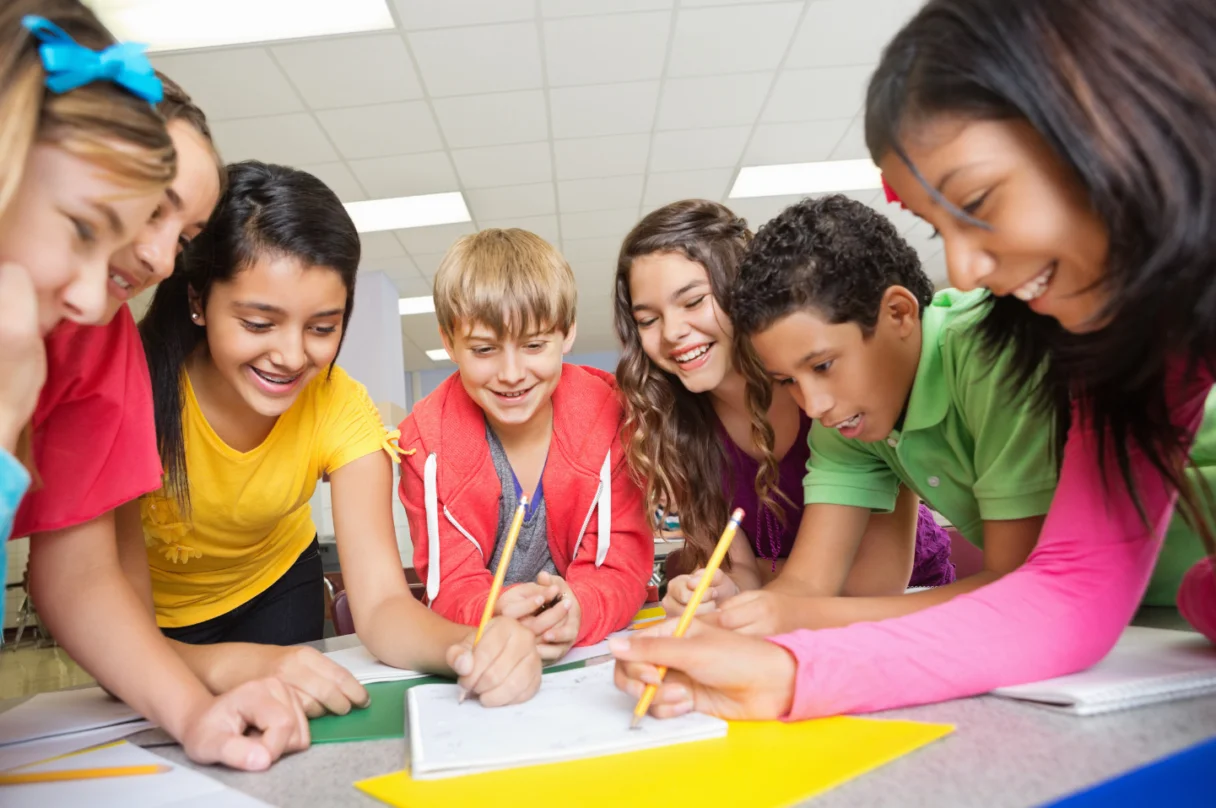
The traditional model of education, which relied heavily on a “sage on the stage” lecturing to a passive room of students, is rapidly becoming obsolete. In its place, student-centered learning has emerged as the defining paradigm of modern pedagogy. This shift redefines the classroom dynamic, moving the focus from what the teacher is teaching to how the student is learning. By placing the learner at the absolute center of the educational experience, this approach fosters deeper engagement, critical thinking, and a lifelong passion for knowledge.
Understanding the mechanics, benefits, implementation strategies, and challenges of student-centered learning is essential for educators, administrators, and policymakers aiming to prepare students for a rapidly changing world.
Defining Student-Centered Learning
Student-centered learning is an instructional approach that prioritizes the individual needs, interests, skills, and learning styles of each student. In this model, students are not mere consumers of information; they are active participants in their own education. They share the responsibility for making decisions about what they study, how they pace their learning, and how they demonstrate mastery of the material.
The role of the educator shifts fundamentally from a primary source of knowledge to a facilitator, coach, and co-constructor of learning. Teachers design robust learning environments and experiences that guide students toward discovery, rather than simply delivering facts to be memorized for a standardized test.
Core Pillars of a Learner-Centric Classroom
To successfully transition to a student-centered environment, an educational institution must anchor its practices in several foundational pillars:
-
Voice and Choice: Students are given autonomy regarding their learning pathways. This can range from choosing the topic of a research project to selecting the medium through which they present their findings, such as an essay, a digital presentation, or a physical model.
-
Active Engagement: Passive listening is replaced by active doing. Learning happens through discussion, collaboration, problem-solving, and creation.
-
Competency-Based Progress: Instead of advancing based on time spent in a seat (seat time), students progress as they demonstrate true mastery of a concept or skill. This allows fast learners to accelerate while ensuring struggling students receive the support they need before moving on.
-
Continuous, Formative Assessment: Evaluation is not just a final exam at the end of a unit. It is an ongoing process of feedback, self-reflection, and peer review that helps students understand their strengths and areas for improvement in real time.
High-Impact Strategies for Implementation
Implementing this approach requires intentional strategy and a willingness to restructure lesson plans. Several proven methodologies align perfectly with student-centered principles.
Project-Based Learning
Project-Based Learning involves students working over an extended period to investigate and respond to an authentic, engaging, and complex question, problem, or challenge. For example, instead of reading a textbook chapter on local ecology, students might design a sustainable community garden for their city. This requires them to apply biology, mathematics, and communication skills to a real-world scenario.
Flipped Classrooms
In a flipped classroom model, traditional lecture content is moved outside of class time, often delivered via short videos or readings that students review at home. Class time is then entirely dedicated to interactive activities, collaborative projects, and targeted intervention by the teacher. This maximizes the value of face-to-face interaction.
Differentiated Instruction
Recognizing that no two students learn the same way, teachers practice differentiated instruction by tailoring content, processes, products, and learning environments. A teacher might provide multiple reading options at various Lexile levels on the same topic, ensuring all students can access the core concept regardless of their current reading proficiency.
The Compelling Benefits of Centering the Learner
The benefits of moving away from teacher-centric models are backed by extensive educational research. When students take ownership of their learning, the outcomes improve across academic, emotional, and social dimensions.
Enhanced Critical Thinking and Problem-Solving
Because student-centered learning demands that students analyze, synthesize, and evaluate information rather than just recall it, it builds superior cognitive skills. Students learn how to learn, which is far more valuable in the modern workforce than possessing a static repository of memorized facts.
Increased Motivation and Engagement
When students have a say in their education, their intrinsic motivation skyrockets. Relevance is a powerful driver of engagement; when learners see how a lesson connects to their personal interests or real-world issues, they become genuinely invested in the outcome.
Development of Essential Soft Skills
Modern workplaces demand collaboration, communication, adaptability, and emotional intelligence. Student-centered classrooms inherently cultivate these traits through frequent group work, peer feedback sessions, and independent time-management requirements.
Overcoming Obstacles in Transitioning Models
Despite the clear advantages, shifting an entire educational system away from centuries-old traditions presents notable challenges. Acknowledging and addressing these hurdles is crucial for long-term success.
Resistance to Change
Both educators and parents can be resistant to altering familiar structures. Teachers may feel uncomfortable giving up absolute control of the classroom, while parents may worry that a lack of traditional grading or lecturing means their children are not receiving a rigorous education. Clear communication and professional development are vital to ease this transition.
Equity and Resource Disparities
Student-centered learning often leverages technology to personalize pathways and facilitate independent research. Schools in underfunded districts may lack the necessary devices, high-speed internet, or teacher training to implement these models effectively, risking a widening of the educational equity gap.
Standardized Testing Pressures
Many school districts remain bound to rigid standardized testing metrics that reward rote memorization and uniform pacing. Balancing the mandate for student autonomy with the pressure to perform well on rigid, state-mandated exams is one of the most significant tightropes modern educators must walk.
The Role of Technology as an Enabler
While technology is not a requirement for student-centered learning, it serves as a massive accelerator. Digital tools allow for a level of personalization and scalability that was previously impossible for a single teacher managing a classroom of thirty students.
Learning management systems can track individual student progress through competency modules, offering targeted resources based on real-time data. AI-driven tutoring systems can provide immediate, customized feedback to a student struggling with a specific math concept while the classroom teacher works with a small group on a collaborative science experiment. Furthermore, the internet provides students with unprecedented access to primary sources, global experts, and digital creation tools, enabling them to pursue niche interests to an advanced degree.
Looking Ahead: The Future of Classrooms
The future of education relies on nurturing adaptable, creative, and independent thinkers. As automation and artificial intelligence reshape the global economy, the ability to memorize information becomes increasingly obsolete. What matters is the ability to ask the right questions, synthesize diverse viewpoints, and solve novel problems. Student-centered learning is not a passing educational trend; it is a necessary evolution to ensure that modern education fulfills its promise of preparing every student to thrive in an unpredictable world.
Frequently Asked Questions
How do teachers manage classroom discipline in a student-centered environment?
Classroom management in a student-centered setting relies on mutual respect, clear community norms, and high engagement rather than rigid compliance. Because students are actively invested in tasks they helped choose, behavioral disruptions naturally decrease. Teachers manage the room by circulating, asking probing questions, and helping groups stay on task, creating an atmosphere of collaborative focus rather than enforced silence.
Does student-centered learning mean students can just do whatever they want?
No. Student-centered learning operates within a highly structured framework designed by the educator. The teacher sets the rigorous learning objectives, academic standards, and assessment criteria. Students are given autonomy regarding how they reach those goals and demonstrate proficiency, but they are still held strictly accountable for meeting defined academic benchmarks.
How does this approach accommodate students with special educational needs?
This model is inherently highly effective for students with diverse learning needs, including those with IEPs or 504 plans, as well as gifted students. Because differentiation is built into the core philosophy, accommodations do not feel like an afterthought. Students can engage with materials at their own pace and use alternative methods of expression that align with their specific strengths.
How are grades determined if everyone is doing something different?
Grading shifts from a focus on points accumulated to rubrics based on mastery of specific standards. A rubric clearly defines what proficiency looks like for a given skill or concept. Whether a student demonstrates that skill through an oral presentation, a written report, or a digital portfolio, the teacher uses the same rubric to assess the underlying competence, ensuring fair and standardized grading.
Is student-centered learning effective for very young children, such as in kindergarten?
Yes, it is highly effective. In early childhood education, this approach often manifests as play-based or inquiry-based learning, heavily utilized in frameworks like the Montessori and Reggio Emilia approaches. Young children naturally learn by exploring, manipulating objects, and asking questions. Structuring a classroom around center-based activities and guided exploration honors their natural developmental stages.
How can parents support this learning model at home?
Parents can support student-centered learning by shifting their inquiries from “What grade did you get?” to “What did you discover today?” or “How did you solve that problem?” Allowing children to struggle productively with homework before stepping in to help, encouraging them to pursue independent hobbies, and involving them in household decision-making all reinforce the autonomy and critical thinking taught in the classroom.